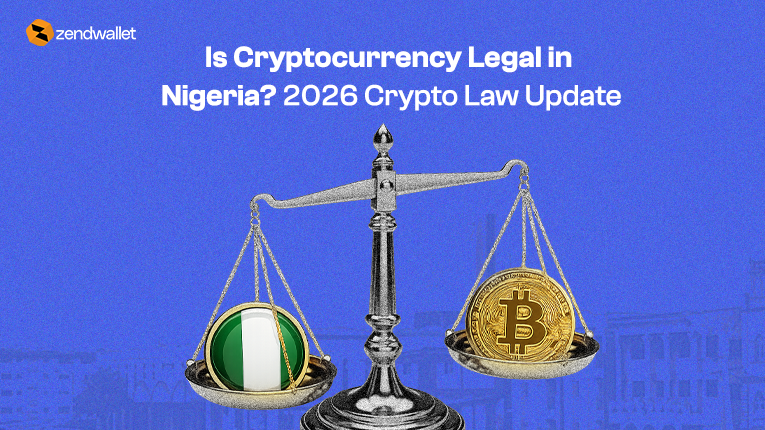
Is Cryptocurrency Legal in Nigeria? This question has been on the minds of millions of Nigerians since the banking restrictions of 2021. Nigeria’s history with cryptocurrency has seen significant shifts.
In 2021, Nigerian banks started blocking accounts linked to cryptocurrency transactions. Traders panicked, social media filled with questions, and uncertainty spread quickly. For a short time, it looked like crypto activity in Nigeria might come to a stop.
Crypto did not disappear. Instead, users adjusted. Many people moved to peer-to-peer trading and stablecoins, and crypto activity continued quietly in the background. What looked like a shutdown was really a period of change.
Over time, regulators shifted their approach. Rather than pushing crypto away, the focus moved to setting rules. Clear guidelines began to emerge, and the conversation changed from restriction to regulation.
By 2026, the picture is much clearer. The Central Bank of Nigeria and the Securities and Exchange Commission now support structured frameworks that allow approved platforms to operate. For traders and investors, this means clearer rules and safer participation.
Nigeria’s interest in crypto has also grown stronger. Chainalysis continues to rank Nigeria among the most active crypto markets globally, driven largely by Bitcoin and stablecoins used for everyday transactions.
So, is cryptocurrency legal in Nigeria today? This 2026 update explains the current legal status of cryptocurrency in Nigeria, recent policy changes, and how users can stay compliant when buying or selling crypto.
Is Cryptocurrency Legal in Nigeria? Current Legal Status in 2026
Is Cryptocurrency Legal in Nigeria? Yes. As of 2026, cryptocurrency is legal in Nigeria, but it operates under regulation.
The Investments and Securities Act 2025 officially recognizes digital assets such as Bitcoin and other cryptocurrencies as securities.
This places crypto activities under the supervision of the Securities and Exchange Commission. As a result, the market now has clearer rules and structure.
Licensed crypto platforms can legally operate in Nigeria, while users and businesses are expected to follow regulatory guidelines set by the SEC.
A Look Back at Nigeria’s Crypto Policy Changes
1. Freezing of Bank Accounts Linked to Crypto Trades
In September 2024, the EFCC obtained a court order to freeze 22 bank accounts linked to USDT sellers on platforms like Bybit and KuCoin. About ₦548.6 million was involved. Authorities said the accounts were used to influence the naira exchange rate.
This showed that crypto itself was not illegal, but unlicensed or unclear activity could attract serious enforcement.
2. Crackdowns on Unlicensed Exchanges
The SEC warned that any crypto exchange operating without approval could face enforcement action. Under ISA 2025, the SEC now has stronger powers, including issuing warnings, freezing assets, seizing property, and enforcing penalties.
3. Past Actions by the Central Bank
In 2021, the Central Bank instructed banks to close accounts linked to crypto businesses. Later actions against fintech firms showed that while owning crypto was allowed, access to banking services could still be restricted.
4. Mixed Signals from Banks
Even with clearer laws, some banks still review or flag crypto transactions. In 2025, some users experienced temporary account checks. Keeping clear records remains important.
5. Legal Actions Against Major Platforms
Regulators have taken action against large platforms as well. Binance faced tax-related charges and later stopped naira services in Nigeria. This confirmed that authorities are closely watching high-volume platforms.
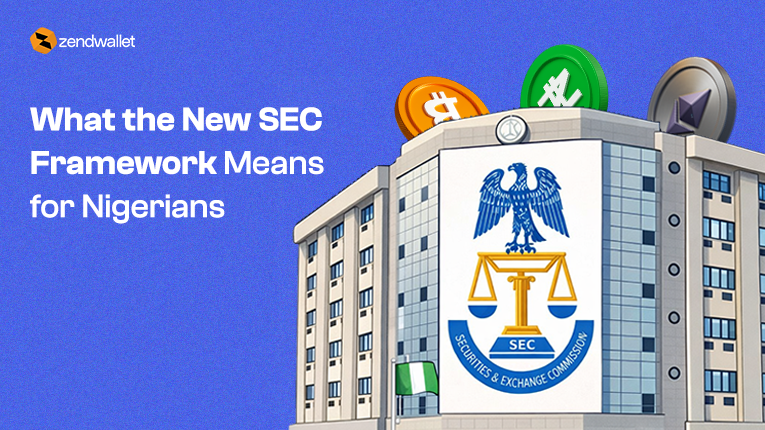
What the SEC’s New Crypto Framework Means for Nigerians
Licensing and Registration
Crypto exchanges, wallet providers, token issuers, and custodians must register with the SEC as Virtual Asset Service Providers. These include digital asset exchanges, offering platforms, and custodians.
Companies must be registered with the Corporate Affairs Commission and meet capital requirements. Nigeria now has a growing number of registered crypto businesses operating under supervision.
KYC and AML Requirements
Crypto platforms must follow the Know Your Customer and Anti-Money Laundering rules. This includes identity verification, transaction monitoring, and record keeping.
Anonymous large trades are no longer allowed. These measures protect users and reduce fraud.
Crypto Taxation
Crypto is treated as a security under ISA 2025. Profits from trading may fall under Capital Gains Tax. While full enforcement is still developing, users are advised to keep records of all transactions.
Impact on Users
For everyday users, regulation means:
- Better protection against scams
- More secure platforms
- Clearer rules for buying and selling crypto
- Reduced risk of sudden platform shutdowns
Top Read: What Is the Securities and Exchange Commission (SEC)?
Can You Legally Buy, Sell, and Trade Crypto in Nigeria?
Yes. Buying, selling, and trading cryptocurrency in Nigeria is legal when done through a compliant platform.
On ZendWallet, users buy crypto through swaps. You deposit a cryptocurrency and swap it for another asset inside your wallet. For example, you can deposit USDT or USDC and swap it for Bitcoin, Ethereum, or other supported assets.
To sell, users can use the Quick Sell feature on ZendPersonal, which allows them to convert crypto to local currency and receive payment shortly after confirmation.
ZendWallet follows full Know Your Customer requirements and operates in line with Nigeria’s regulatory guidelines.
To stay compliant:
- Use SEC-aligned platforms like ZendWallet
- Avoid unverified peer-to-peer groups.
- Keep transaction records
- Be cautious of unrealistic profit promises.
Top Read: How to Buy & Create a USDT TRC20 Wallet on ZendWallet
The Future of Crypto Regulation in Nigeria
Is Cryptocurrency Legal in Nigeria? Nigeria’s crypto journey has moved from uncertainty to structure. Regulation is still evolving, but the direction is clear.
Taxation is expected to play a bigger role, with crypto gains treated like other investment income. Regulators are also exploring how cryptocurrency and the eNaira can operate side by side.
With one of the largest crypto user bases in Africa, Nigeria is well-positioned to influence crypto adoption across the continent.
In summary, is cryptocurrency legal in Nigeria? Yes. Crypto is legal, regulated, and growing. By using compliant platforms and following the rules, Nigerians can trade crypto safely and confidently within the law.
FAQs on Crypto Regulation in Nigeria 2026
Is cryptocurrency legal in Nigeria in 2026?
Yes. Cryptocurrency is legal in Nigeria as of 2026. Nigerians can buy, sell, and trade crypto using platforms that follow SEC guidelines. Crypto is regulated, although it is not yet accepted as an official means of payment for goods and services.
Can I buy and sell Bitcoin legally in Nigeria?
Yes. Nigerians can legally buy and sell Bitcoin and other cryptocurrencies through compliant platforms like ZendWallet, which follows required regulatory and verification standards.
Are Nigerian banks allowed to support crypto transactions now?
Yes. Since December 2023, the Central Bank of Nigeria has allowed banks to support crypto-related transactions. Licensed platforms can now connect with banking services to support deposits and withdrawals.
Does ZendWallet follow KYC and AML rules?
Yes. ZendWallet follows Know Your Customer and Anti-Money Laundering requirements. Users must verify their identity before trading. This aligns with Nigeria’s regulatory framework and helps keep crypto activity compliant.
Do I have to pay tax on crypto in Nigeria?
Crypto taxes are expected to be introduced fully starting in 2026. Profits from crypto trading may be treated like other investment gains. Users are advised to keep transaction records for future reporting.
Is it safe to trade crypto in Nigeria?
Trading crypto can be safer when you use a regulated platform like ZendWallet and follow basic precautions. This includes using account security features, avoiding unknown links, and keeping your wallet details private.
Can I use Bitcoin to pay for goods or services in Nigeria?
At the moment, crypto is not officially accepted as a direct payment method for goods and services. Most users convert crypto to naira through platforms like ZendWallet before spending.
What should I do if my bank flags a crypto transaction?
You should contact your bank and provide details showing that your transaction was done through a compliant platform like ZendWallet. Keeping clear records of your activity can help resolve issues quickly.
Conclusion
So, is cryptocurrency legal in Nigeria in 2026? Yes. Crypto is legal, regulated, and firmly part of Nigeria’s financial system. What began as uncertainty in 2021 has given way to clearer rules, stronger oversight, and safer participation for users and businesses.
With the SEC providing structure, licensed platforms operating openly, and banks gradually supporting compliant activity, Nigerians can now buy, sell, and trade crypto with greater clarity.
The key is simple. Use regulated platforms, follow KYC and record-keeping requirements, and stay informed as policies continue to develop. When done the right way, crypto participation in Nigeria is lawful, structured, and sustainable.
This answers the question clearly. Is cryptocurrency legal in Nigeria? Yes.